Impact
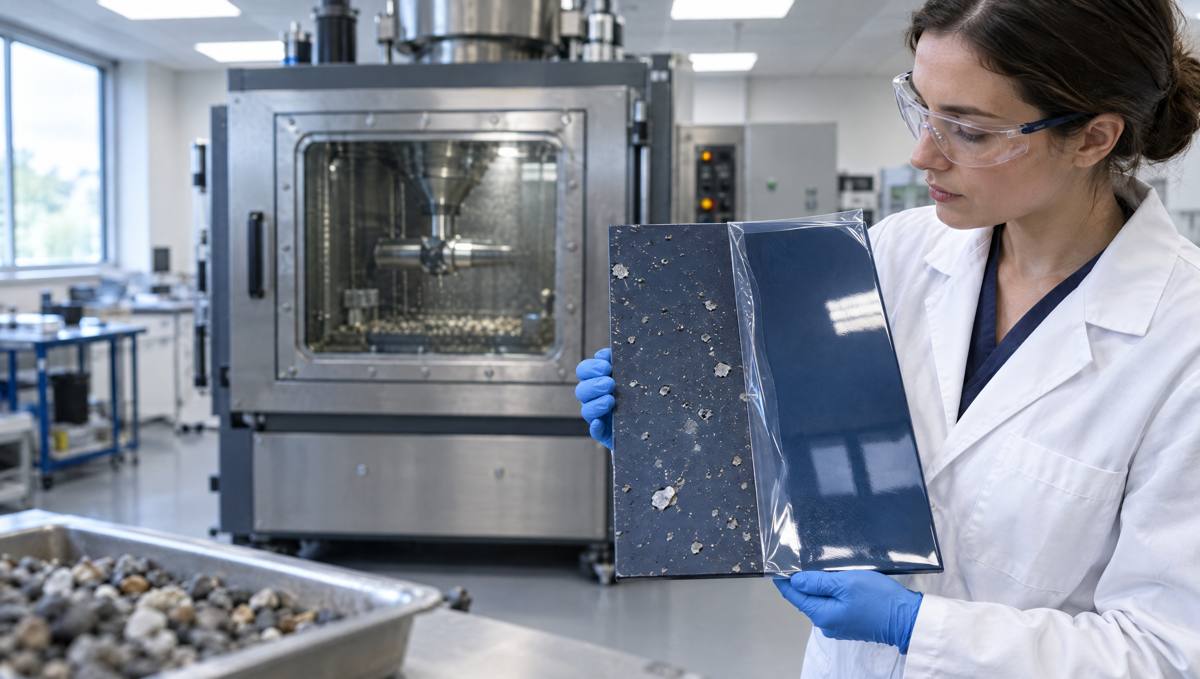
Gravel impact
Stones are fired at a panel that is half covered in film. The bare half chips. The filmed half should come out clean.
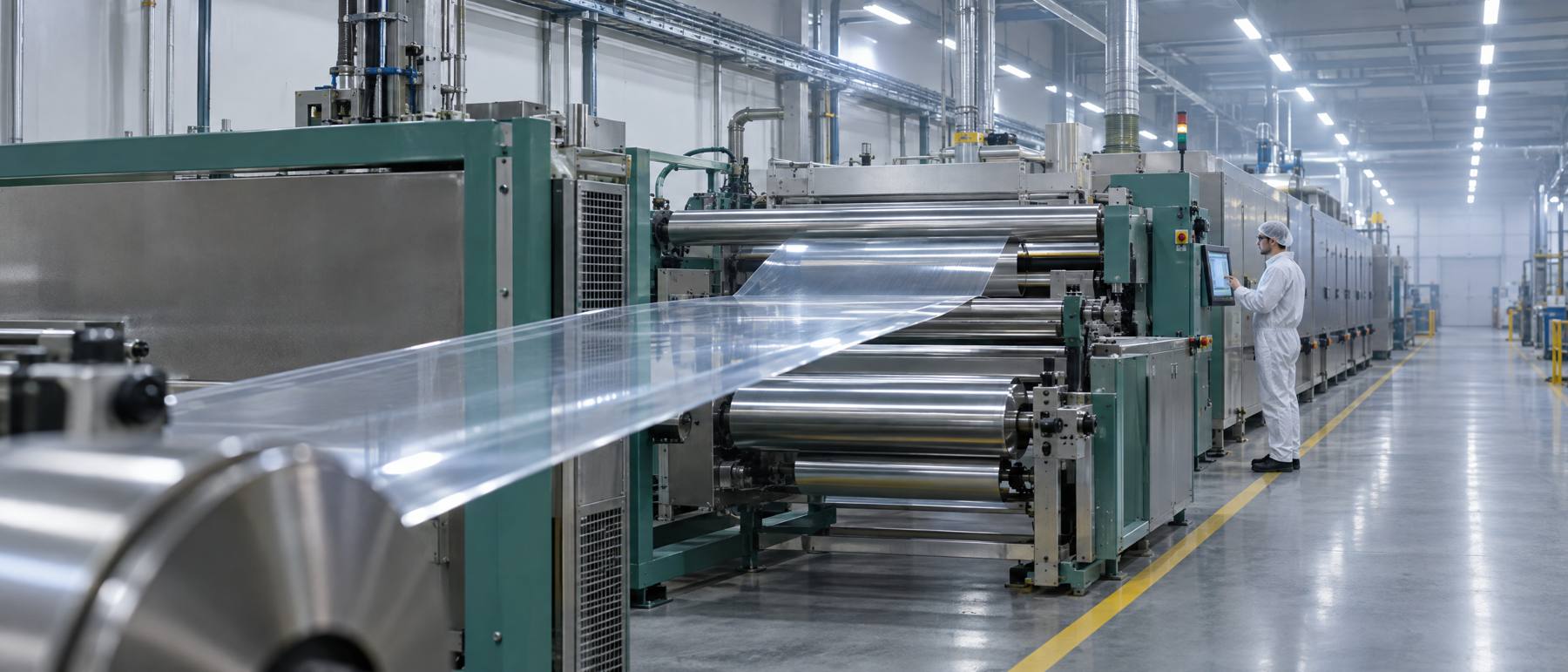
Paint protection film looks simple: a clear sheet on the paint. What makes it work is the construction underneath, and the testing a batch passes before a dealer ever opens the box.
The top coat keeps the surface glossy and clean. The polyurethane takes the impact. The adhesive holds the film to the paint but can be repositioned during install. The liner protects the adhesive until the film goes on.
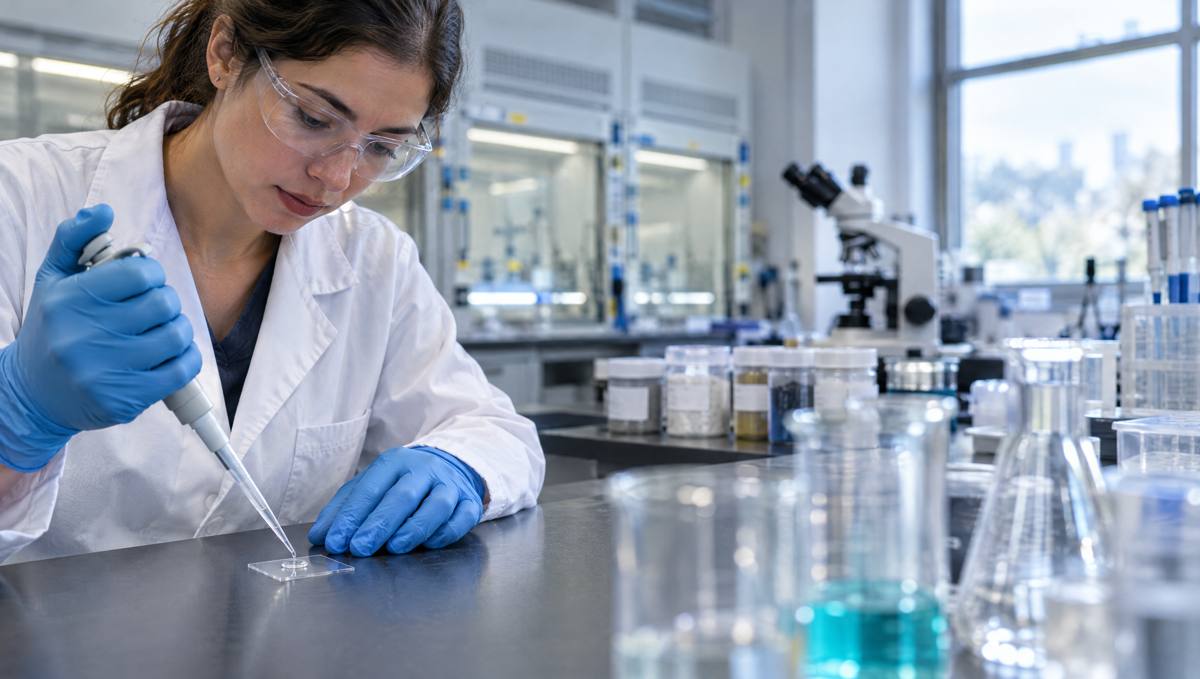
Optically clear polyurethane runs through a precision coating line, where the self-healing top coat and the adhesive layer are applied and cured.
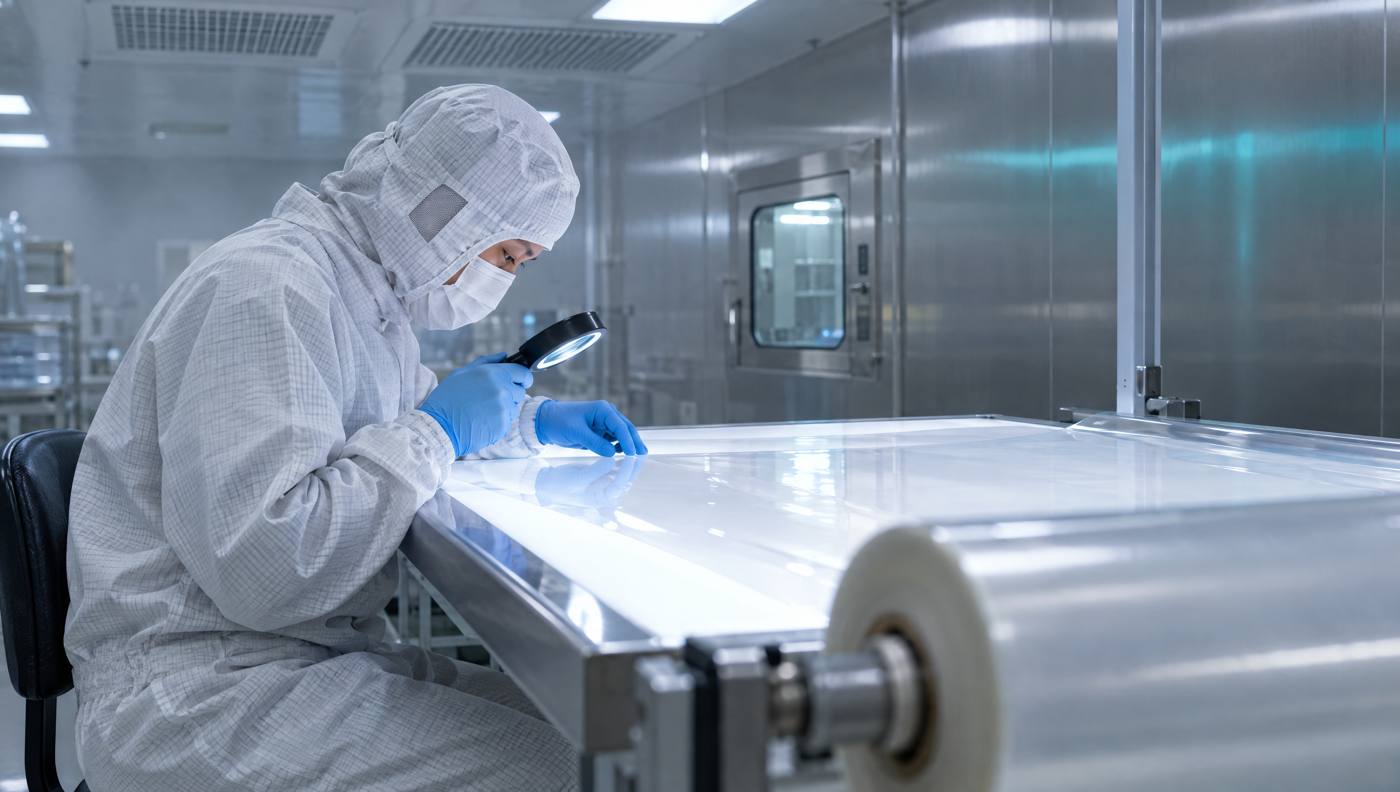
Sheets are checked on a backlit table for gels, dust and optical defects. Clarity is the whole point of a clear film.
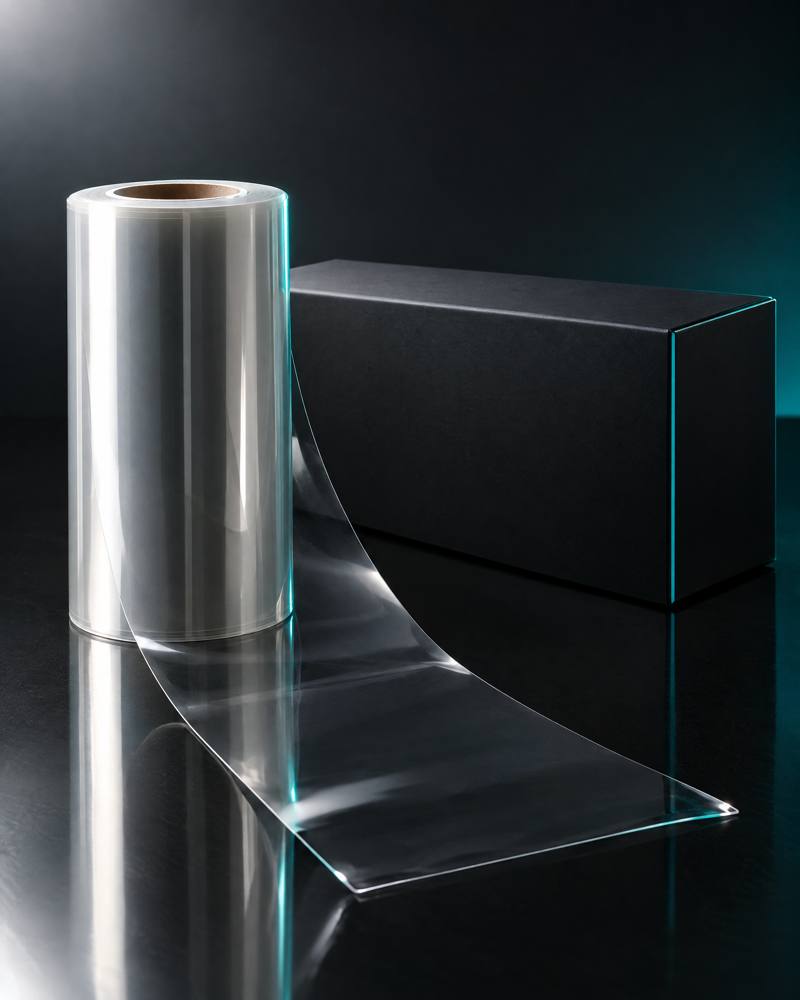
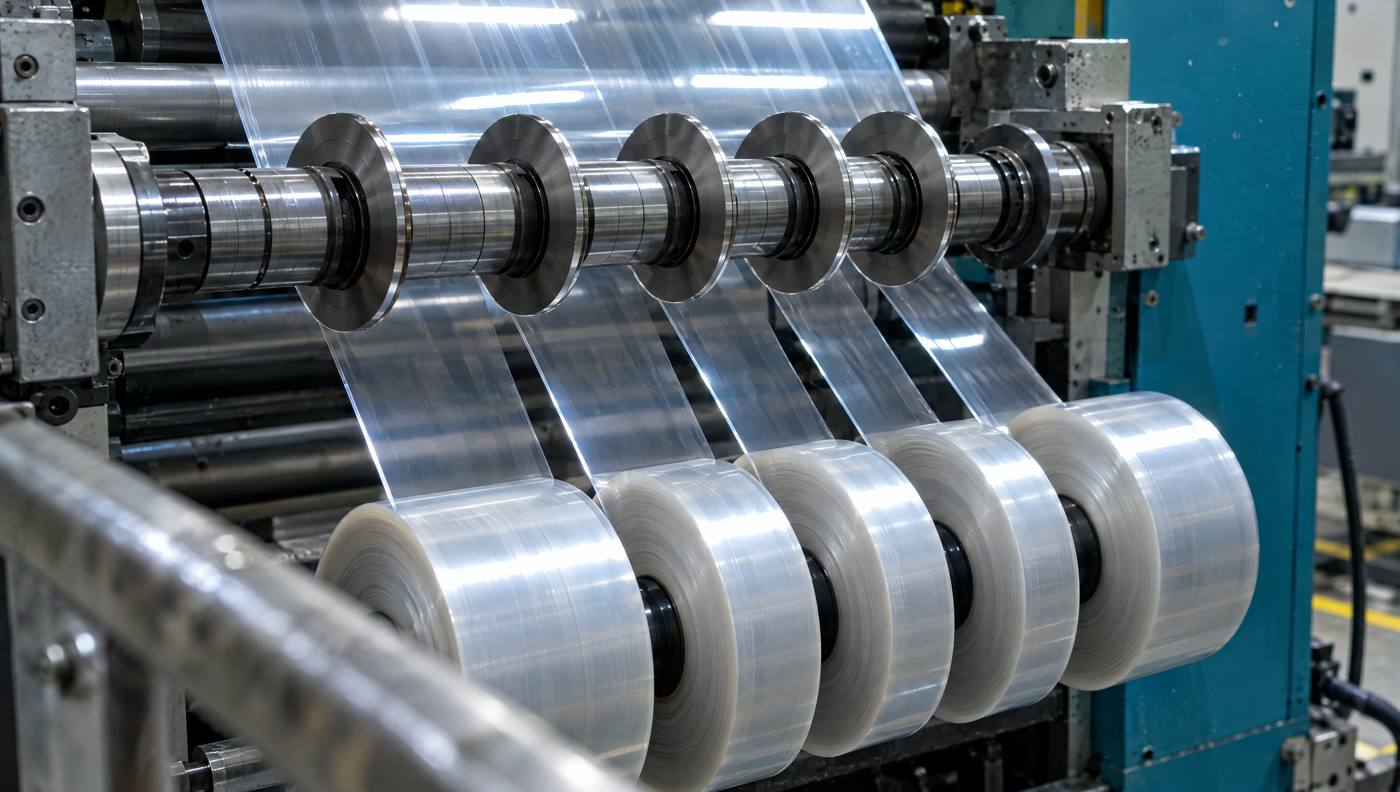
Master rolls are slit and rewound to the widths installers use for bonnets, bumpers and full panels.
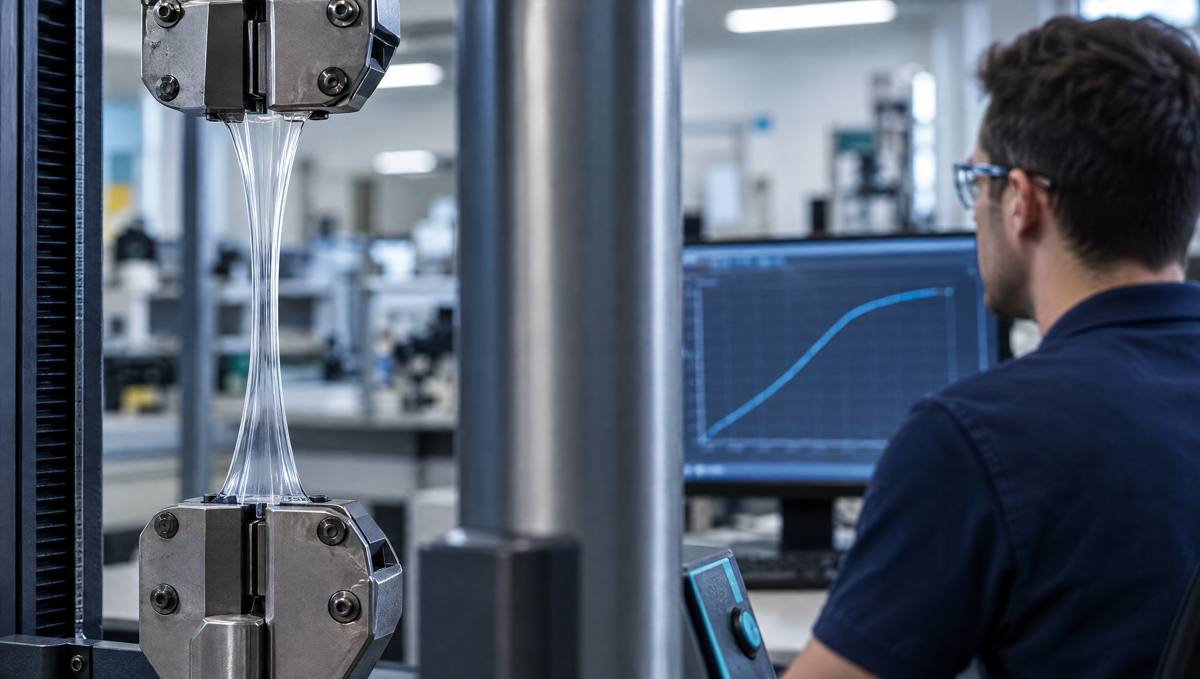
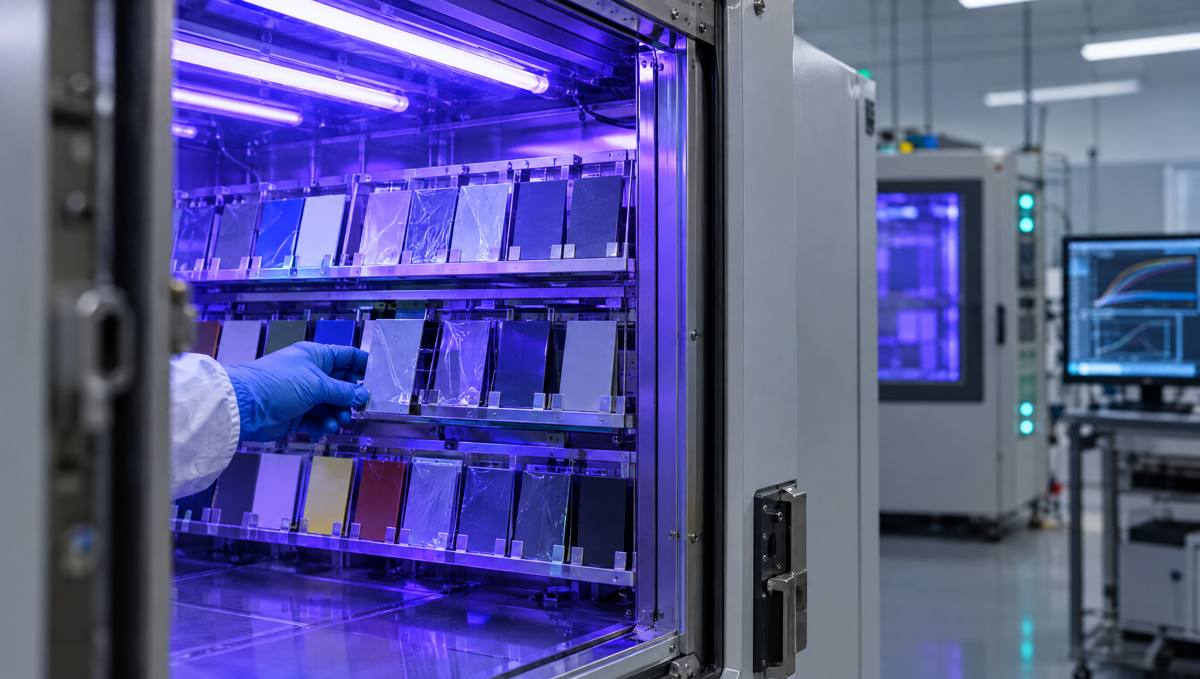
Samples are checked for impact, UV ageing and stretch before a batch is released.
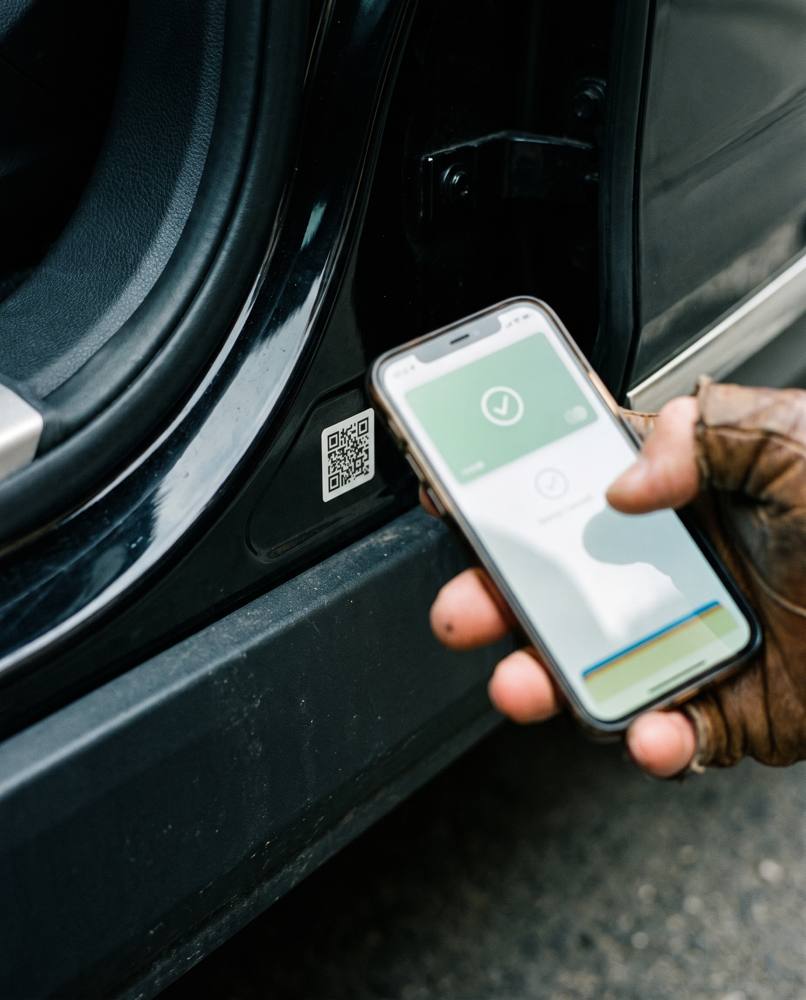
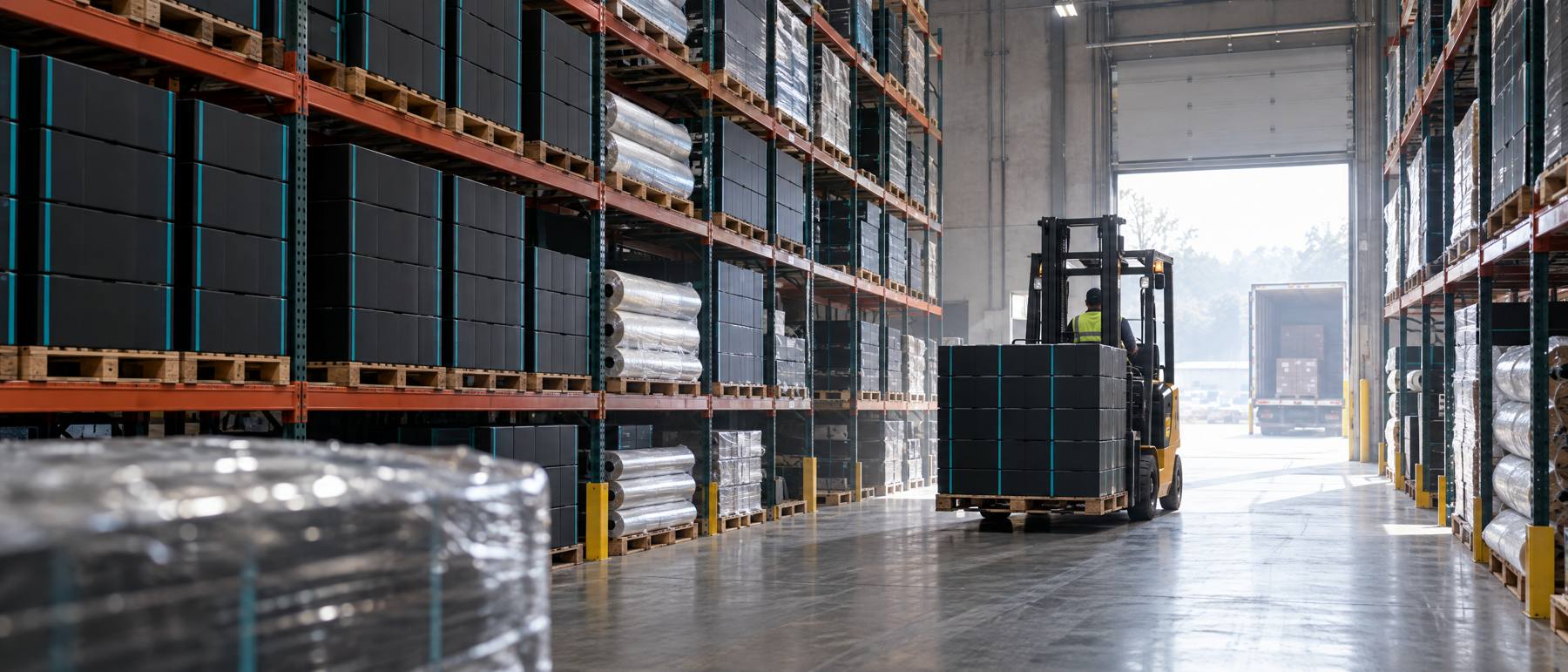
Every box gets a unique serial and QR label, then ships to authorized dealers only.
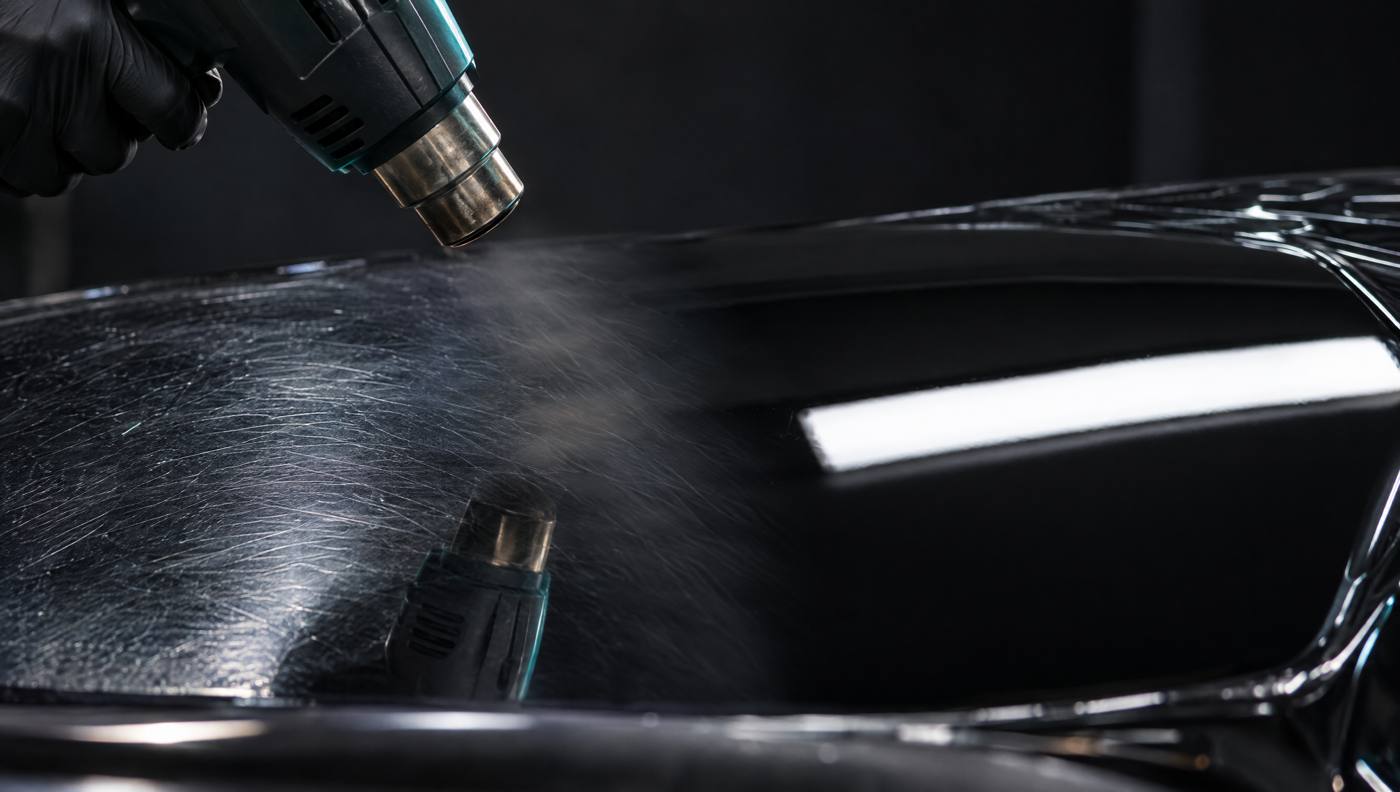
The top coat is an elastic polymer. When it’s scratched lightly, by a wash mitt or a fingernail near the door handle, the surface deforms instead of cutting. Heat lets it flow back. Parking in the sun or rinsing with warm water is usually enough.
The serial on the box links to its batch and, after install, to your car.