Sold and installed only through authorized dealers. Check any roll before it goes on your car.Verify a productActivate warrantyFind a dealerBecome a dealer🌐 InternationalđŸ‡”đŸ‡° Pakistan
Technology

Built in layers. Tested before it ships.

Paint protection film looks simple: a clear sheet on the paint. What makes it work is the construction underneath, and the testing a batch passes before a dealer ever opens the box.

Film construction

Four layers, each doing one job.

The top coat keeps the surface glossy and clean. The polyurethane takes the impact. The adhesive holds the film to the paint but can be repositioned during install. The liner protects the adhesive until the film goes on.

How it’s made

From clear resin to a serialized roll.

The same sequence runs for every grade. Each step below happens before a roll reaches a dealer.
  1. 01

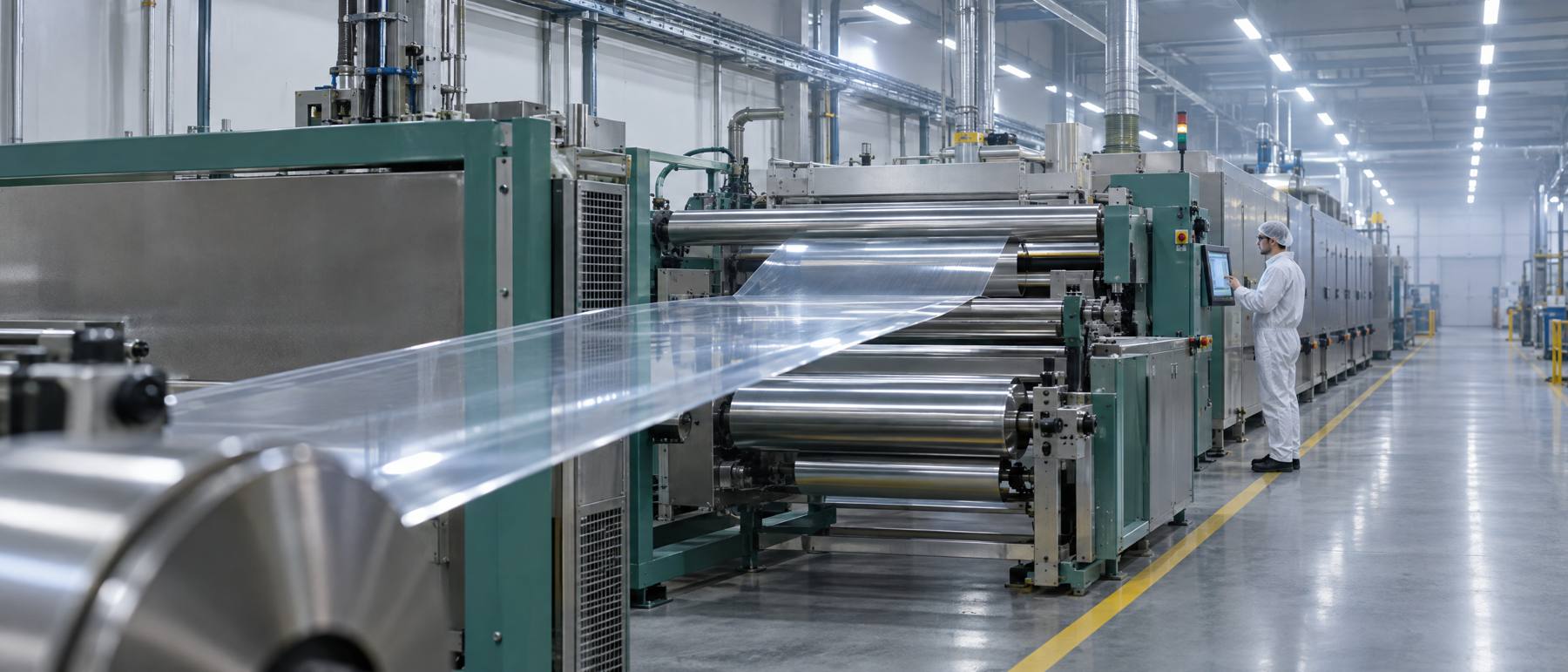
    Coating the film

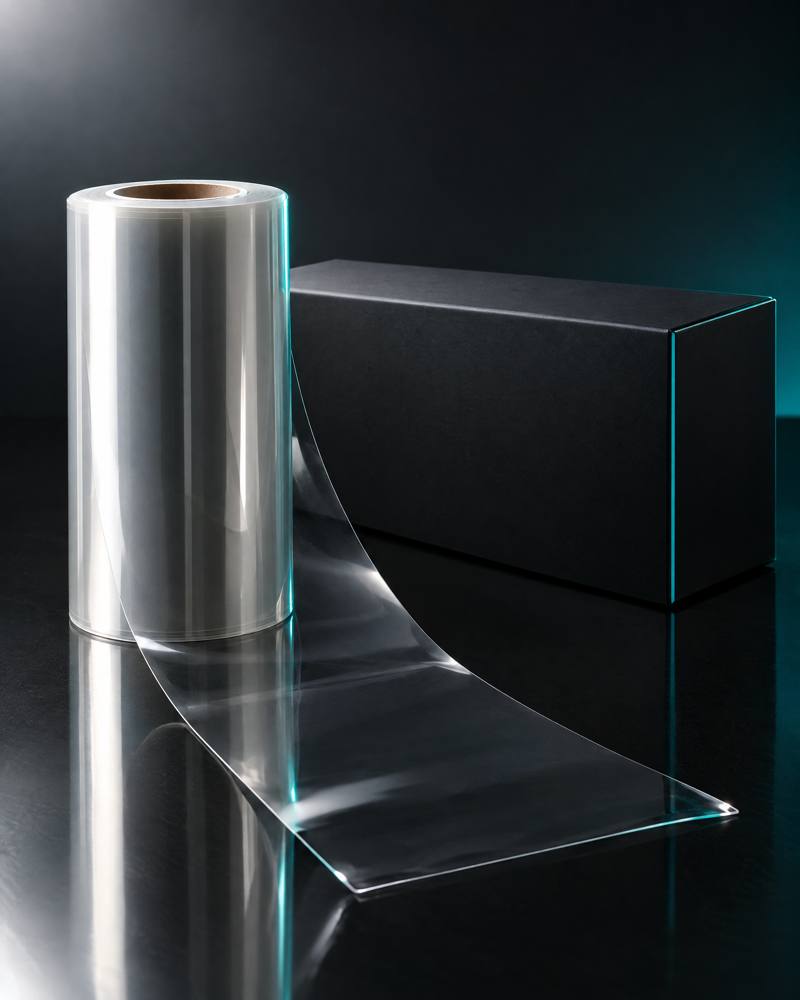
    Optically clear polyurethane runs through a precision coating line, where the self-healing top coat and the adhesive layer are applied and cured.

    Coating the film
  2. 02

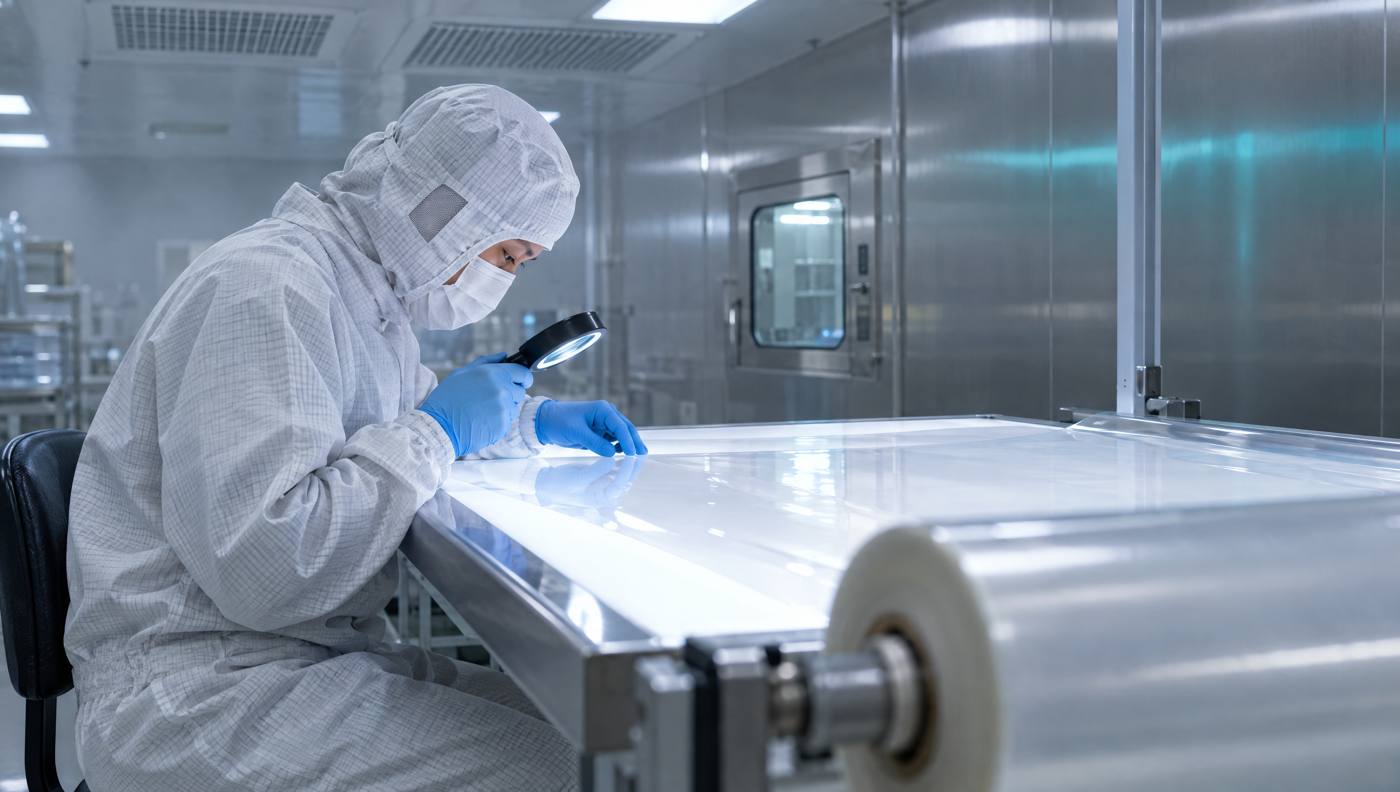
    Clean-room inspection

    Sheets are checked on a backlit table for gels, dust and optical defects. Clarity is the whole point of a clear film.

    Clean-room inspection
  3. 03

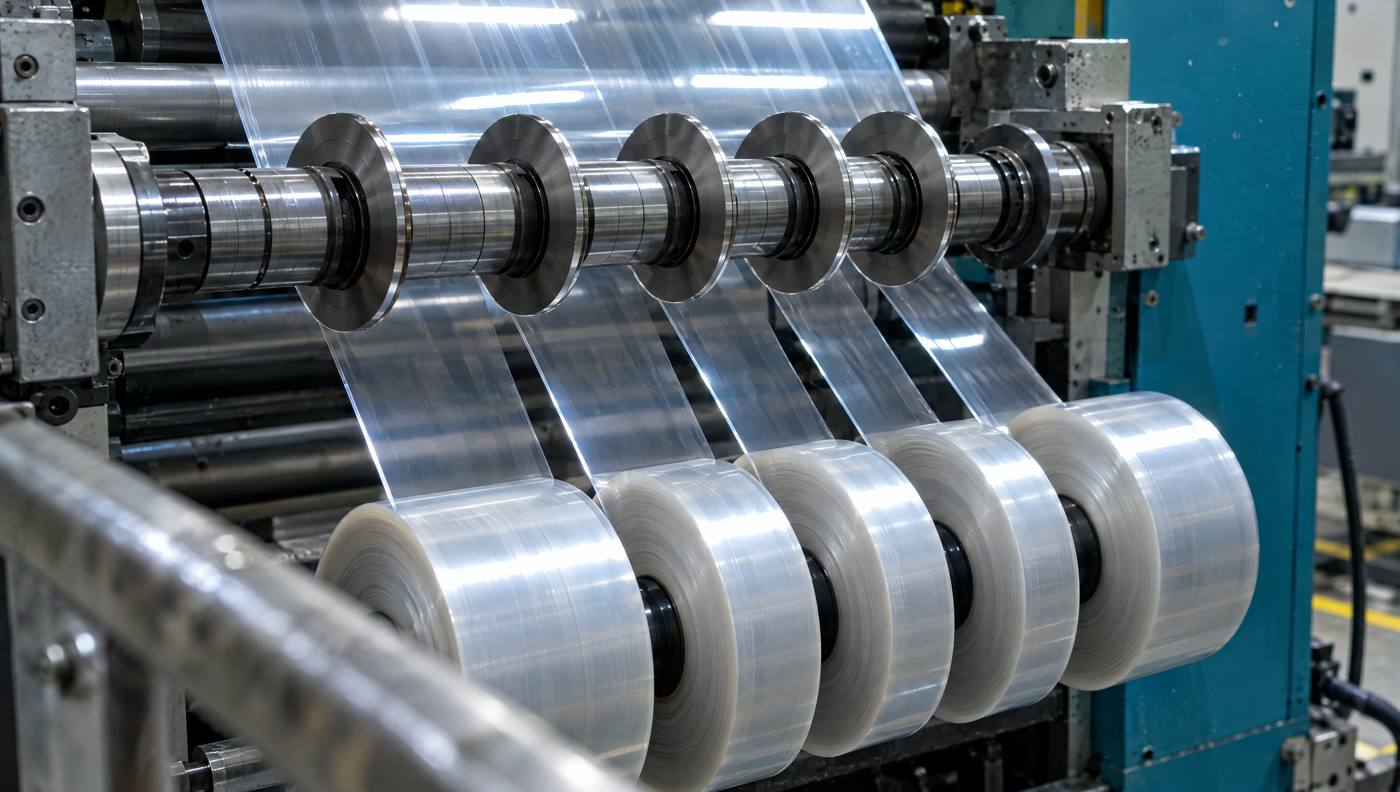
    Slit to width

    Master rolls are slit and rewound to the widths installers use for bonnets, bumpers and full panels.

    Slit to width
  4. 04

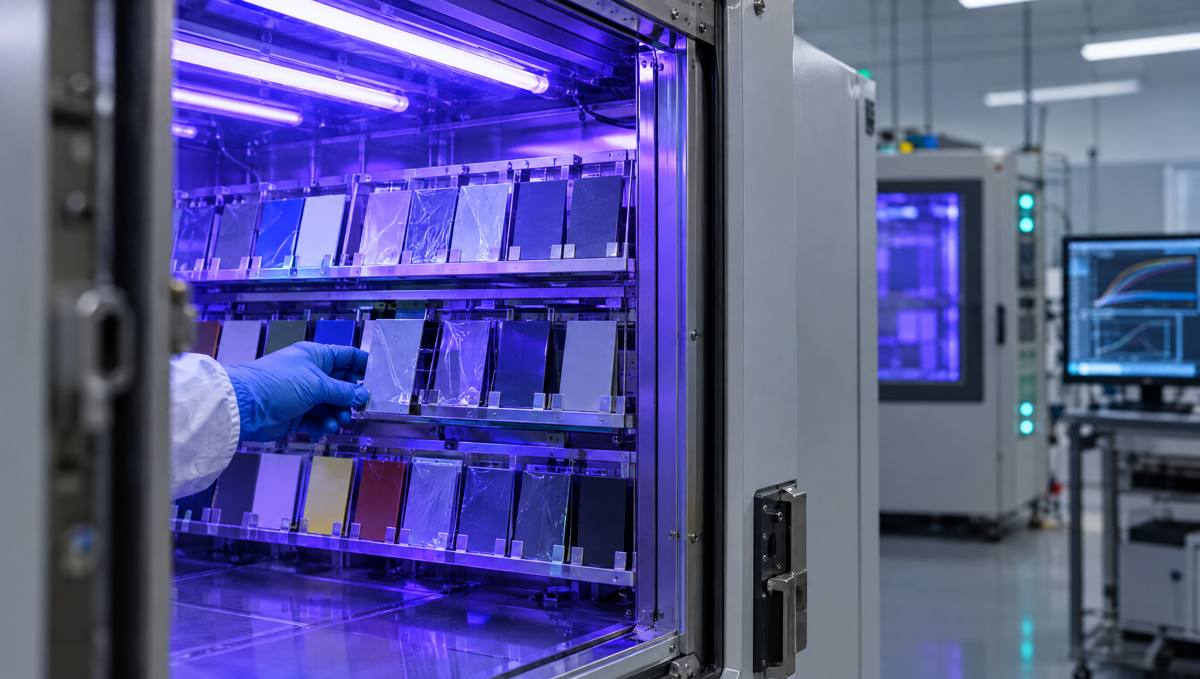
    Batch testing

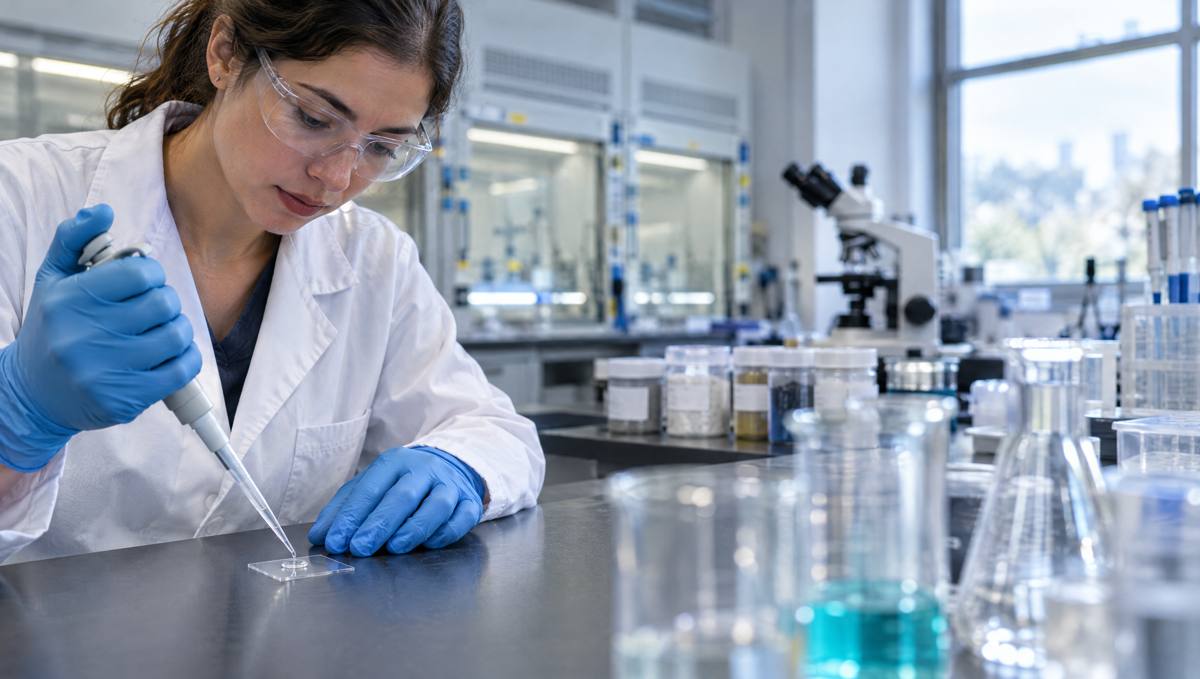
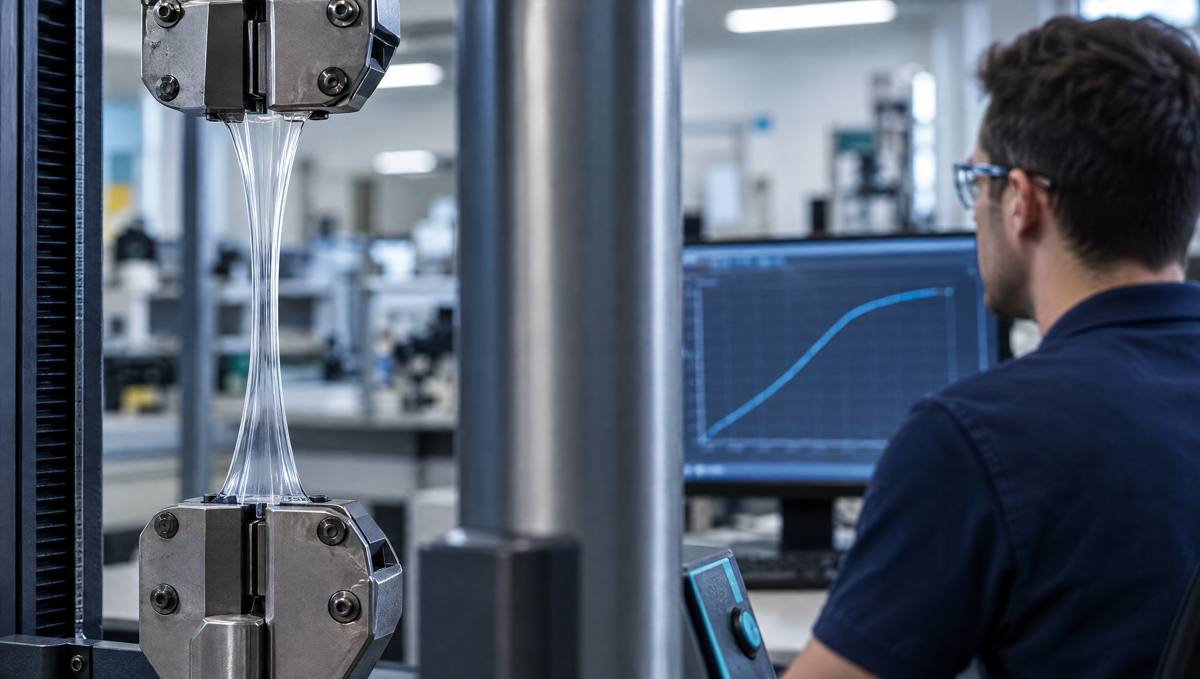
    Samples are checked for impact, UV ageing and stretch before a batch is released.

    Batch testing
  5. 05

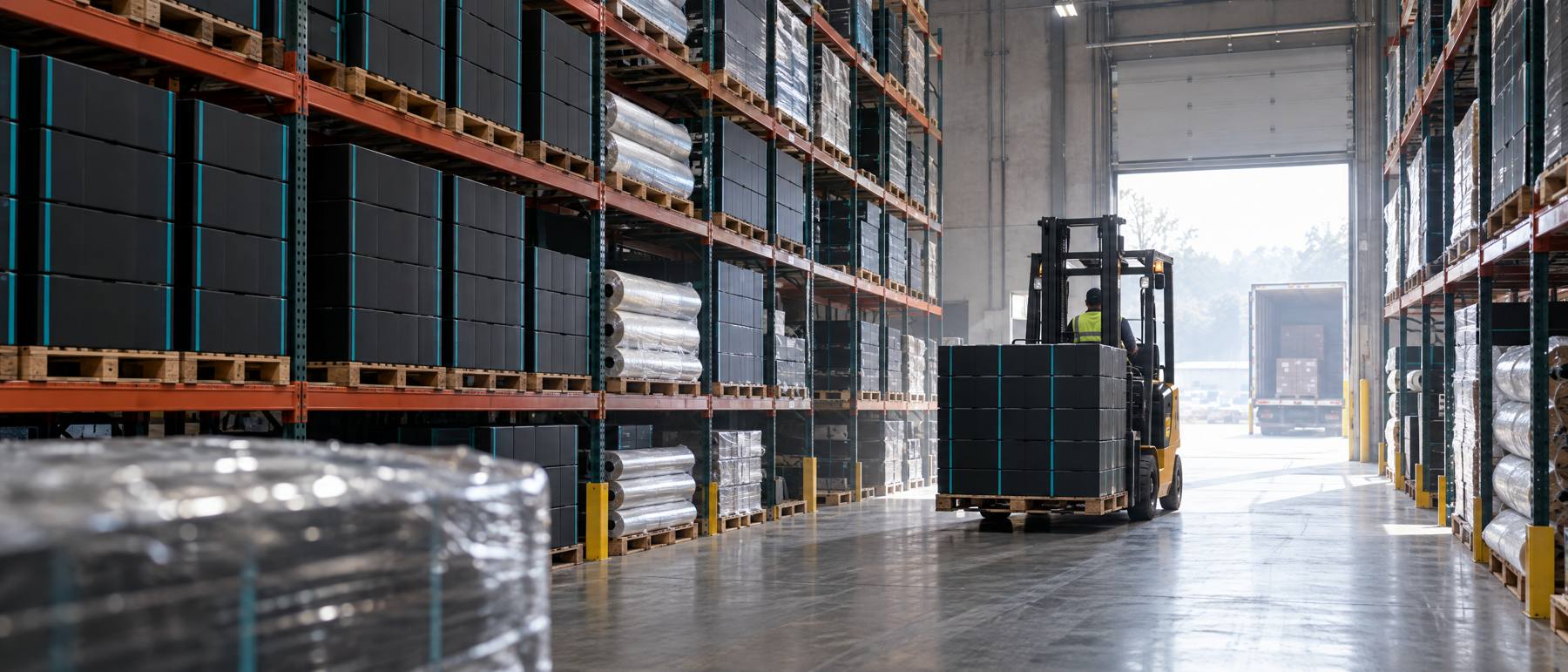
    Serialized and shipped

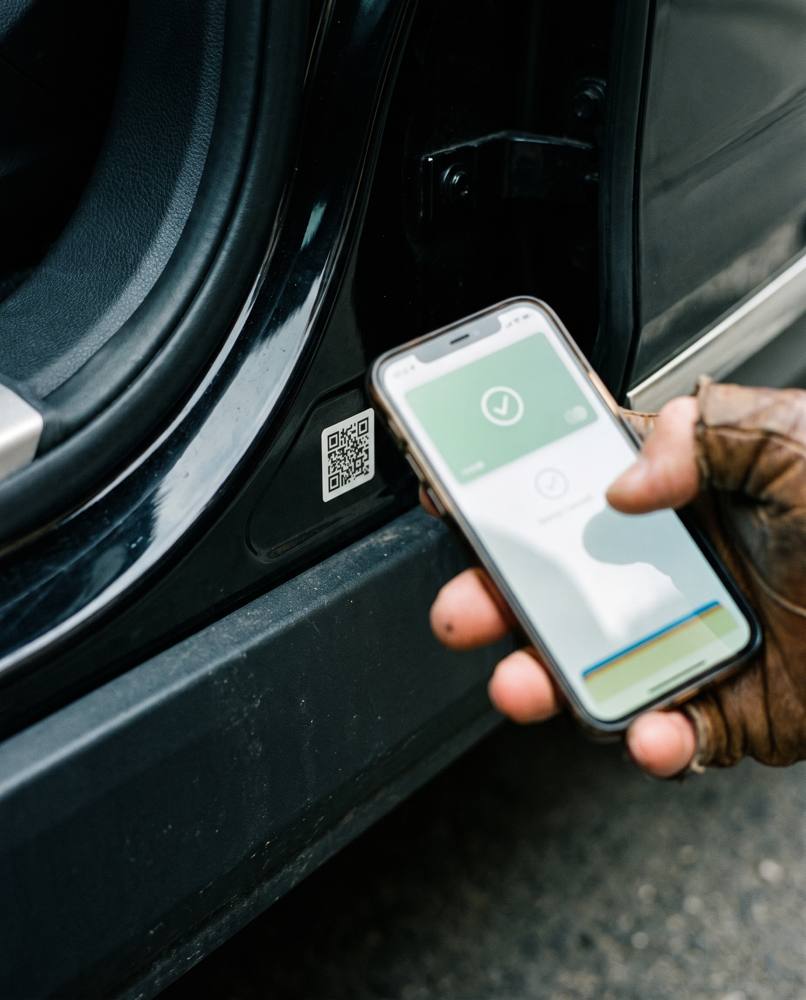
    Every box gets a unique serial and QR label, then ships to authorized dealers only.

    Serialized and shipped
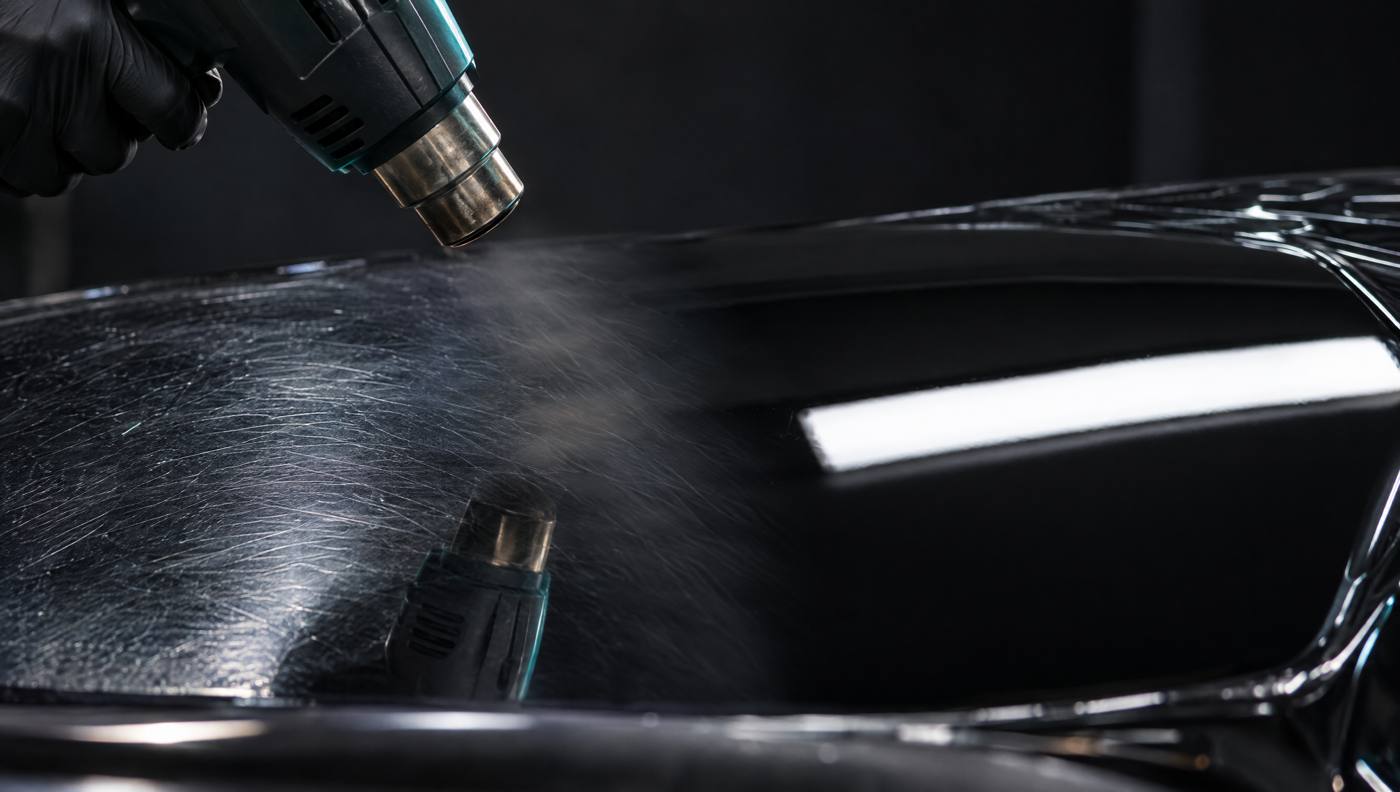
Heat closing swirl marks on filmed black paint
Self-healing top coat

Light scratches close on their own.

The top coat is an elastic polymer. When it’s scratched lightly, by a wash mitt or a fingernail near the door handle, the surface deforms instead of cutting. Heat lets it flow back. Parking in the sun or rinsing with warm water is usually enough.

  • Works on fine swirls and light scuffs
  • Deep cuts through the film need a panel replaced
  • Keeps the gloss even after hundreds of washes
Testing

The tests a film has to pass.

These are the standard industry tests for paint protection film. Ask your dealer for the data sheet of the grade you’re considering.
Gravel impact
Impact

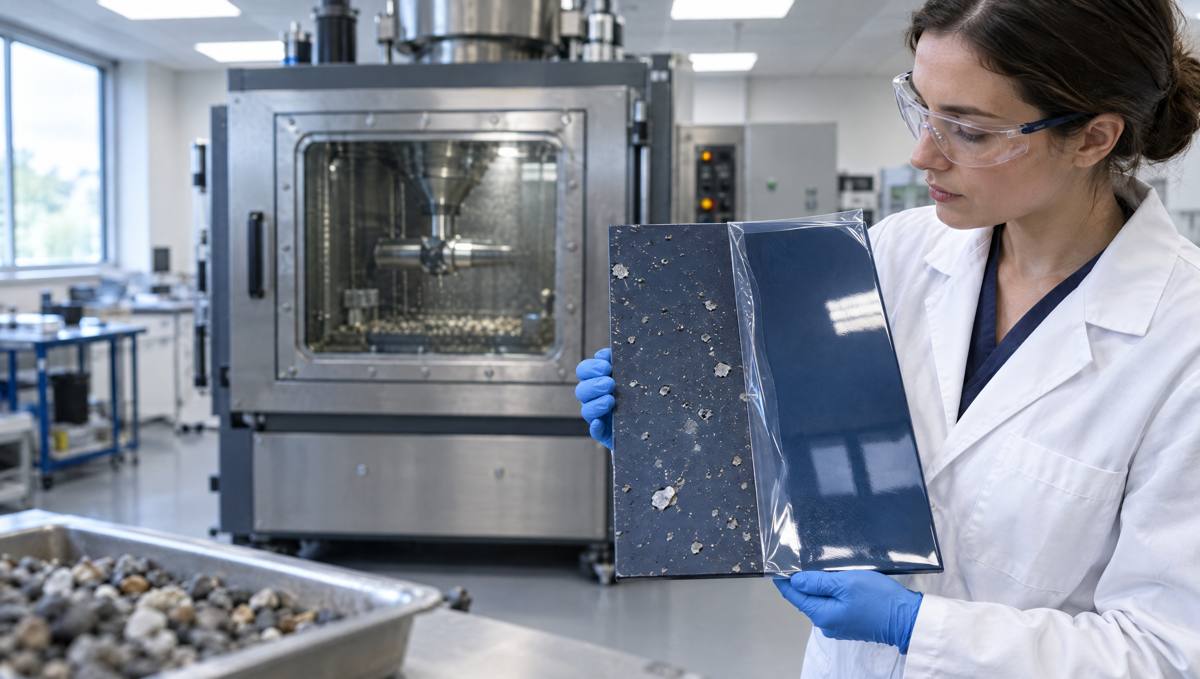
Gravel impact

Stones are fired at a panel that is half covered in film. The bare half chips. The filmed half should come out clean.
UV ageing
Weathering

UV ageing

Panels sit under UV lamps for hundreds of hours to simulate years of sun. Good film stays clear. Poor film yellows, cracks or hazes.

Tensile and elongation
Strength

Tensile and elongation

A strip of film is stretched until it tears. The more it stretches, the better it wraps bumpers and mirrors without lifting.

Swirl recovery
Self-healing

Swirl recovery

Fine scratches are put into the top coat, then heat is applied. The scratches should close and the gloss return.

Clarity inspection
Optics

Clarity inspection

Film is checked over a light table for gels, dust and distortion. Clear film is only worth fitting if you can’t see it.

Stain resistance
Chemistry

Stain resistance

Bird droppings, sap and fuel are left on the surface, then cleaned off. The top coat shouldn’t stain or etch.

Every roll is traceable.

The serial on the box links to its batch and, after install, to your car.
New grades, colours and dealer news, once a month.

No spam. Unsubscribe any time.