
PPF vs Vinyl Wraps: What’s the Difference?
Introduction
When it comes to protecting or customizing a vehicle’s exterior, two popular options emerge: Paint Protection Film (PPF) and vinyl wraps. While both serve unique purposes, they are often confused with each other. Understanding their differences is essential for car owners looking to enhance or protect their vehicle’s appearance. In this article, we explore PPF vs Vinyl Wraps, breaking down their benefits and applications and determining which option might be best for your car.
1. Purpose and Function
The primary difference between PPF and vinyl wraps is their purpose.
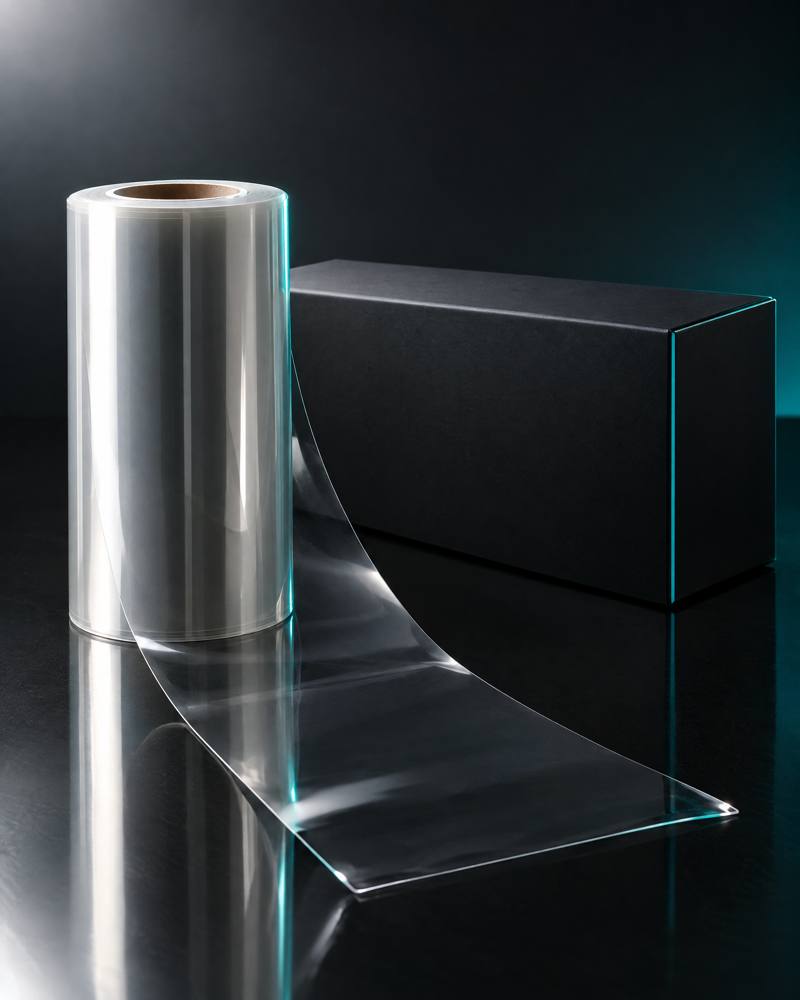
PPF (Paint Protection Film) is designed to protect a car’s paint from scratches, rock chips, and environmental damage. It is a transparent, durable layer applied over the paint to preserve its original finish.
Vinyl wraps, on the other hand, are used mainly for aesthetic customization. They come in various colors, finishes, and textures, allowing owners to change the look of their car without a permanent paint job.
Key Takeaway: If protection is the priority, PPF is the better choice. If customization is the goal, vinyl wraps offer more flexibility.
2. Durability and Longevity
When it comes to longevity, PPF outperforms vinyl wraps.
PPF can last between 5 to 10 years, depending on the quality and maintenance. It also features self-healing properties that repair minor scratches when exposed to heat.
Vinyl wraps typically last 3 to 5 years before showing signs of wear, peeling, or fading, especially if exposed to harsh weather conditions.
Key Takeaway: PPF is a longer-lasting solution compared to vinyl wraps, which require more frequent replacements.
3. Protection Level
PPF and vinyl wraps offer different levels of protection.
PPF provides superior protection against rock chips, minor scratches, UV rays, and chemical damage. It acts as an invisible shield that absorbs impact and prevents paint damage.
Vinyl wraps offer only minimal protection against light scratches and sun exposure but are not designed to prevent significant damage like rock chips.
Key Takeaway: If your main concern is protecting your car’s paint, PPF is the better choice.
4. Aesthetic Options
While PPF is primarily for protection, vinyl wraps are all about aesthetics.
PPF is transparent and maintains the original paint color. Some PPF options come in matte or glossy finishes to enhance the car’s appearance.
Vinyl wraps come in a variety of colors, patterns, and finishes, including matte, gloss, satin, metallic, chrome, and carbon fiber, allowing for a completely new look.
Key Takeaway: If you want to change the color or design of your car, vinyl wraps offer more options.
5. Cost Considerations
The cost of PPF and vinyl wraps varies depending on coverage and quality.
PPF is more expensive due to its advanced protective features, with full car applications ranging from $3,000 to $8,000+, depending on the brand and installation.
Vinyl wraps are more affordable, typically costing between $2,000 to $5,000 for a full wrap.
Key Takeaway: PPF is a higher investment but provides better protection. Vinyl wraps are a more budget-friendly way to change a car’s appearance.
Conclusion
Choosing between PPF and Vinyl Wraps depends on your goals. If you want long-term protection against scratches and damage, Paint Protection Film is the superior choice. However, if you’re looking for a cost-effective way to customize your car’s look, vinyl wraps are the way to go.
For the best in PPF solutions, consider Nano Pro PPF for unmatched durability and protection.
FAQs: PPF vs Vinyl Wraps
1. Can PPF and vinyl wraps be used together?
Yes, PPF can be applied to high-impact areas for protection, while vinyl wraps can be used for aesthetic changes on the rest of the car.
2. Does PPF change the appearance of a car?
No, PPF is transparent and designed to maintain the original paint while adding a glossy or matte finish if desired.
3. Can vinyl wraps protect against rock chips?
No, vinyl wraps provide minimal protection and are not designed to absorb impacts like PPF.
4. How do I maintain PPF vs vinyl wraps?
PPF requires occasional cleaning and waxing, while vinyl wraps should be hand-washed with gentle cleaning products to avoid peeling.
5. Is it easy to remove PPF or vinyl wraps?
Yes, both can be removed without damaging the paint, but PPF removal is best handled by professionals to avoid adhesive residue.