




Can You Wax or Polish Over PPF? Expert Tips
Introduction
Paint Protection Film (PPF) is a fantastic way to safeguard your car’s paint from scratches, chips, and environmental damage. But once it’s applied, the question arises—can you wax or polish over PPF? Doing so incorrectly can harm the film or reduce its effectiveness. In this article, we’ll explore the best practices for maintaining your PPF’s appearance while ensuring its protective qualities remain intact.
What Is Paint Protection Film (PPF)?
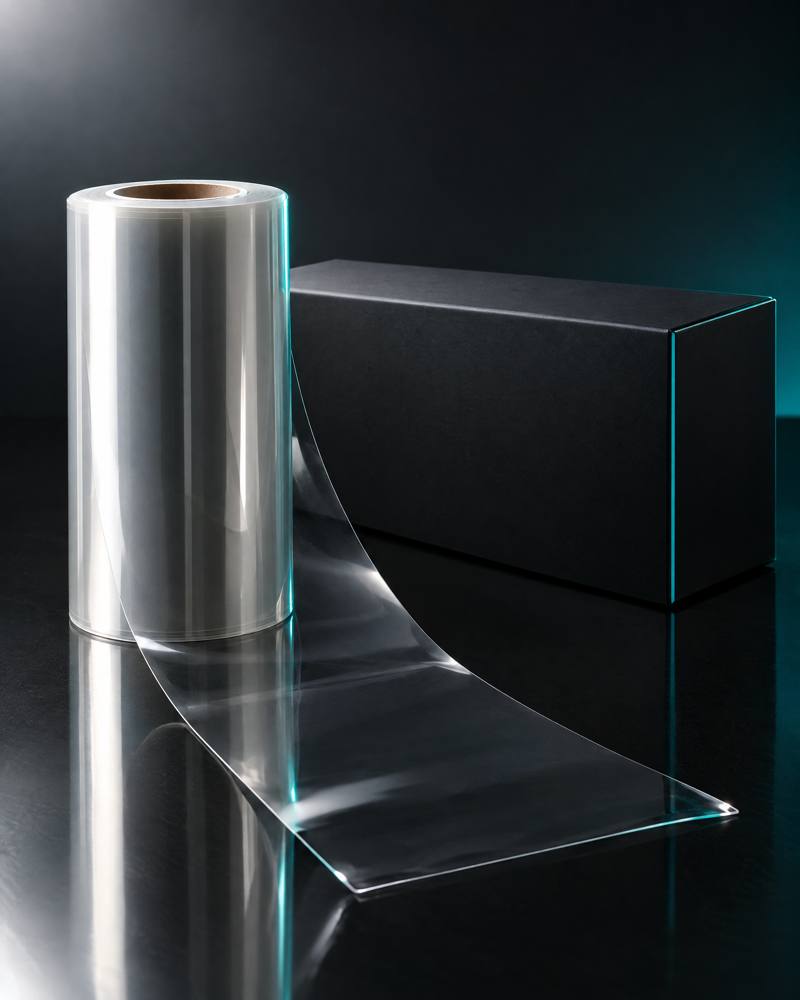
PPF is a clear, durable layer applied to a vehicle’s painted surfaces to protect against debris, road salt, bug splatters, and UV rays. It preserves the paint’s original color and enhances its appearance by providing a glossy or matte finish.
Can You Wax Over PPF?
Yes, you can wax over PPF, but choosing the right type of wax is essential. Traditional waxes with harsh chemicals or abrasive compounds can damage the film. Instead, opt for waxes specifically designed for paint protection films. These products enhance the film’s shine and provide an extra layer of protection without harming its integrity.
Best Practices for Waxing Over PPF:
- Use PPF-Safe Products: Always select waxes labeled as safe for use on PPF.
- Apply Sparingly: A thin, even layer is sufficient. Over-application can cause buildup.
- Soft Microfiber Cloth: Use a soft, clean microfiber cloth to apply and buff the wax, ensuring no scratches.
Can You Polish Over PPF?
Polishing over PPF is generally not recommended, especially with abrasive polishes. PPF is more sensitive to abrasives than car paint, which can dull the finish or even cause scratches. However, minor swirl marks or light blemishes can be addressed using a mild, non-abrasive polish designed for PPF.
Safe Polishing Tips for PPF:
Choose Non-Abrasive Polish: Look for products specifically formulated for PPF.
- Hand Application: It’s safer to polish by hand than using a machine, which can generate excessive heat.
- Gentle Pressure: Apply gentle pressure to avoid damaging the film’s surface.
Benefits of Waxing and Polishing PPF
- Enhanced Shine: Waxing can enhance the film’s glossy appearance, making your car look freshly detailed.
- Added Protection: A PPF-safe wax adds an extra hydrophobic layer, making cleaning off dirt and grime easier.
- Minor Imperfections: Polishing can help reduce the appearance of minor swirl marks and light scratches, restoring the film’s smooth look.
Mistakes to Avoid When Waxing or Polishing Over PPF
- Using Abrasive Products: These can scratch or dull the PPF.
- Machine Buffing: Avoid using high-speed buffers, as they can generate heat that may warp or discolor the film.
- Over-Waxing: Excessive layers of wax can create buildup, reducing the film’s clarity.
How Often Should You Wax or Polish Over PPF?
- Waxing: Every 3-4 months is sufficient to maintain shine and protection.
- Polishing: Only when necessary, such as when minor swirl marks or blemishes appear.
Final Thoughts
Yes, you can wax or polish over PPF, but it must be done carefully using products designed for PPF maintenance. By following the proper techniques and avoiding common mistakes, you can keep your vehicle looking its best while extending the life of your PPF.
FAQs: Can You Wax or Polish Over PPF
1. Can I use traditional car wax on PPF?
Traditional car waxes can contain abrasive compounds and harsh chemicals that may damage PPF. Always use waxes designed explicitly for PPF.
2. How often should I wax my PPF?
Waxing your PPF every 3-4 months is recommended to maintain shine and protective qualities.
3. Is machine polishing safe for PPF?
No, high-speed machine polishing can generate heat that may warp or discolor the film. Hand polishing with a non-abrasive product is safer.
4. Can polishing remove scratches from PPF?
Minor swirl marks and light blemishes can be reduced using non-abrasive polish, but deep scratches may require professional attention.